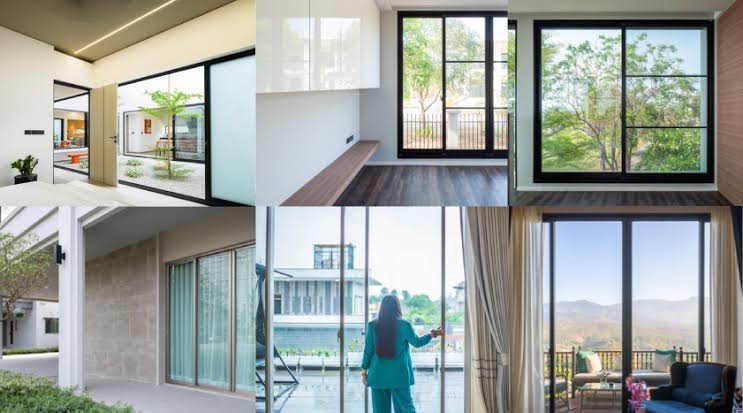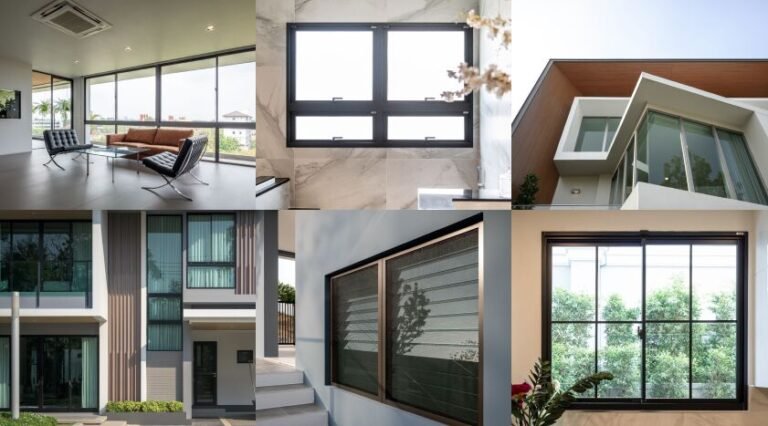




Aluminium windows are available in a wide range of sizes and configurations, making them suitable for apartments, independent houses, offices, shops, and commercial buildings. Although homeowners often search for “standard aluminium window sizes,” there is no single size that works for every property. Window dimensions depend on room requirements, building design, ventilation, and the available wall opening.
Common Aluminium Window Sizes
Typical residential windows may be designed in small, medium, or large dimensions depending on the room. Smaller windows are often used in bathrooms and utility areas, while larger windows are commonly used in bedrooms, living rooms, and balconies.
Some commonly considered residential dimensions include approximately:
- 600 × 600 mm
- 900 × 600 mm
- 1200 × 900 mm
- 1200 × 1200 mm
- 1500 × 1200 mm
- 1800 × 1200 mm
These are examples rather than fixed standards. Actual dimensions should be determined from the building opening and design requirements.
Sliding Window Dimensions
Sliding aluminium windows are frequently used in Indian homes because they are easy to operate and don’t require clearance space for shutters.
A sliding window may have two, three, or more shutters depending on its width. Larger openings can be divided into multiple panels to improve usability and structural performance.
Casement Window Dimensions
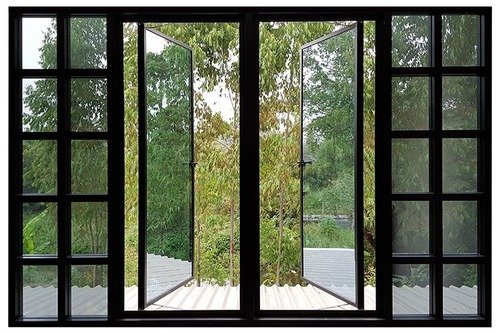
Casement windows can be designed in different widths and heights depending on the opening. Because the shutters open on hinges, the available space around the window should be considered before installation.
For wider openings, multiple casement shutters may be combined with fixed panels.
Bathroom and Kitchen Window Sizes
Bathrooms generally require smaller windows because privacy is important and wall space may be limited. Kitchen windows may be medium-sized and positioned to provide ventilation and natural light.
Frosted, textured, or privacy glass can also be considered where visibility needs to be reduced.
Large Aluminium Windows
Modern homes increasingly use large glass windows to create bright interiors and provide outdoor views. However, larger windows require careful consideration of aluminium profile strength, glass weight, wind exposure, hardware, and installation.
Instead of simply increasing the window size, the opening may need to be divided into multiple sections.
How to Measure an Aluminium Window
Accurate measurement is essential before ordering a window. The width and height of the structural opening should be measured at multiple points because walls may not always be perfectly square.
The final manufacturing dimensions should be confirmed by an experienced window professional after inspecting the site.
Window Size and Ventilation
Window dimensions should also support adequate ventilation. A large fixed window may provide plenty of light but little airflow. Combining fixed glass with openable sections can provide a balance between natural light and ventilation.
Don’t Choose Size Based Only on a Standard Chart
Standard dimensions can help during the initial planning stage, but the final size should be based on the actual opening and building design.
Other factors such as sill height, furniture placement, safety, privacy, glass selection, and window operation should also be considered.
Conclusion
Aluminium windows do not have to follow one universal size. Common dimensions can provide a useful starting point, but every project should be measured individually. Choosing the correct size, profile, glass, and opening style can improve ventilation, natural lighting, appearance, and overall window performance.