



Aluminium windows are becoming increasingly popular in Indian homes, offices, apartments, and commercial buildings because they offer a combination of strength, durability, and modern appearance. However, choosing the right aluminium window is not only about selecting glass or colour. The aluminium frame profile plays an important role in determining the window’s performance, appearance, and lifespan.
What Is an Aluminium Window Profile?
An aluminium profile is the shaped aluminium section used to create the frame, sash, track, or other components of a window. These profiles are manufactured through an extrusion process, allowing manufacturers to create different shapes and sizes according to the window design.
The profile provides structural support to the glass and helps the window operate smoothly. Different profiles are designed for different window types, such as sliding, casement, fixed, and openable windows.
Common Types of Aluminium Window Profiles
Sliding Window Profiles
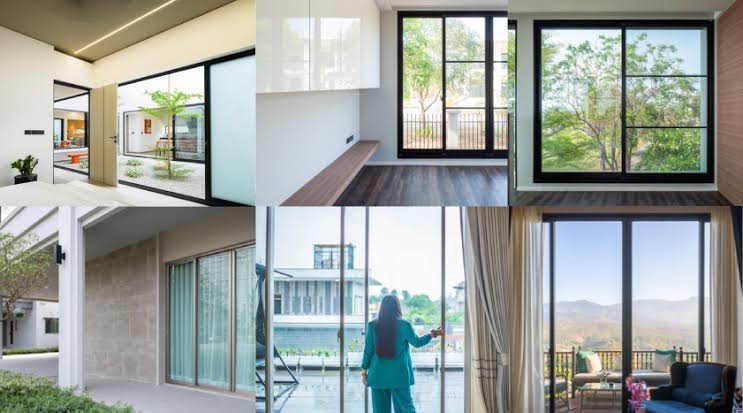
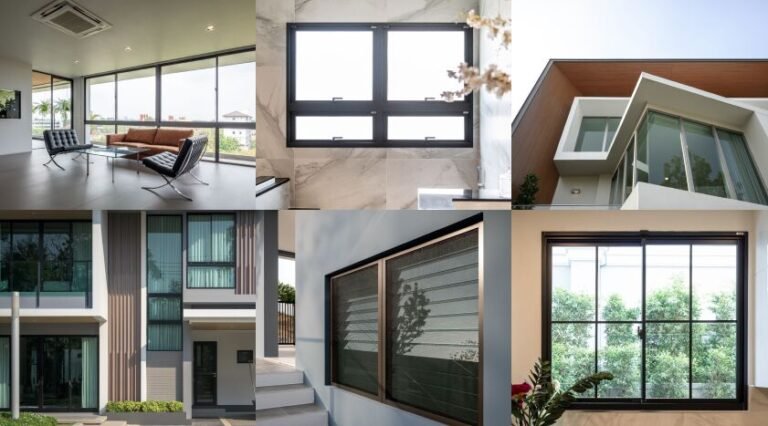
Sliding windows use horizontal tracks that allow the shutters to move from one side to another. They are commonly used in bedrooms, balconies, kitchens, and living rooms where space is limited.
Casement Window Profiles
Casement windows open outward or inward using hinges. They generally provide good ventilation because the entire shutter can be opened. These windows are suitable for bedrooms, living rooms, offices, and areas where maximum airflow is required.
Fixed Window Profiles
Fixed windows do not open. Their primary purpose is to provide natural light and an outside view. They are often combined with sliding or casement windows to create larger window designs.
Heavy-Duty Profiles
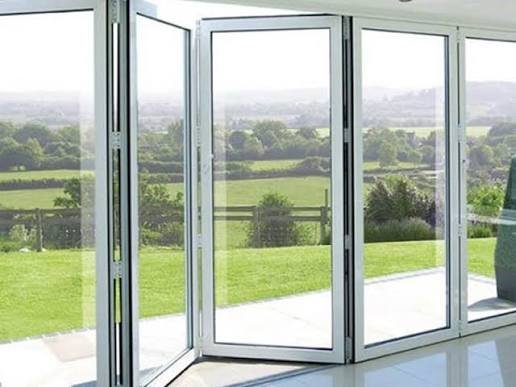
For larger windows, balconies, commercial buildings, or areas exposed to strong wind, heavier aluminium profiles may be preferred. These profiles provide additional structural strength and stability.
Aluminium Profile Thickness Matters
The thickness and design of an aluminium profile affect its strength. A lightweight profile may be suitable for smaller windows, while larger openings may require stronger profiles.
When comparing quotations, don’t look only at the price per square foot. Ask the supplier about the profile series, thickness, frame construction, and intended application.
Aluminium Alloy and Surface Finish
Quality aluminium profiles are generally manufactured from suitable aluminium alloys designed for extrusion and construction applications. The surface may be finished through powder coating, anodising, or other finishing processes.
Powder-coated profiles are available in various colours, while anodised finishes can provide a metallic appearance and additional surface protection.
How to Choose the Right Profile
Before purchasing, consider the window size, location, required ventilation, glass thickness, operating style, and exposure to weather. For large openings, stronger profiles may be necessary.
Also check the quality of rollers, handles, locks, gaskets, and other hardware because the overall window performance depends on more than the aluminium frame alone.
Final Thoughts
Choosing the right aluminium window profile can improve the durability, appearance, and functionality of your windows. Instead of selecting a profile only because it is inexpensive, compare its construction, finish, application, hardware, and installation quality. A good-quality profile combined with suitable glass and professional installation can provide reliable performance for many years.