


The future of commercial interior design is being shaped by a powerful synergy of technology and sustainability. As businesses increasingly prioritize efficiency, aesthetics, and environmental responsibility, designers are leveraging advanced tools and eco-conscious practices to redefine workspaces, retail environments, and hospitality interiors.
Here’s a look at how technology and sustainability are pioneering this transformation:
- Smart Design Technologies
- AI-Powered Design Platforms:Tools like Interior AI and Spacemaker AI generate space layouts and design concepts tailored to client needs.
- Virtual & Augmented Reality (VR/AR):Clients can virtually walk through proposed designs, making real-time adjustments and reducing costly revisions.
- BIM (Building Information Modeling):Software like Autodesk Revit allows designers to visualize entire projects, optimizing materials and resources from the start.
- Sustainable Materials & Practices
- Recycled & Upcycled Materials:Designers increasingly use reclaimed wood, recycled metal, and innovative materials like mycelium-based composites.
- Energy-Efficient Lighting:LED systems, often integrated with smart sensors, significantly reduce energy consumption.
- Cradle-to-Cradle Design:Products and materials are chosen for their ability to be reused, aligning with circular economy principles.
- Data-Driven Space Optimization
AI tools analyze spatial usage patterns, enabling businesses to create ergonomic, efficient, and adaptable layouts. In office spaces, this often results in hot-desking and flexible environments that adapt to employee needs.
- Biophilic Design & Wellness Integration
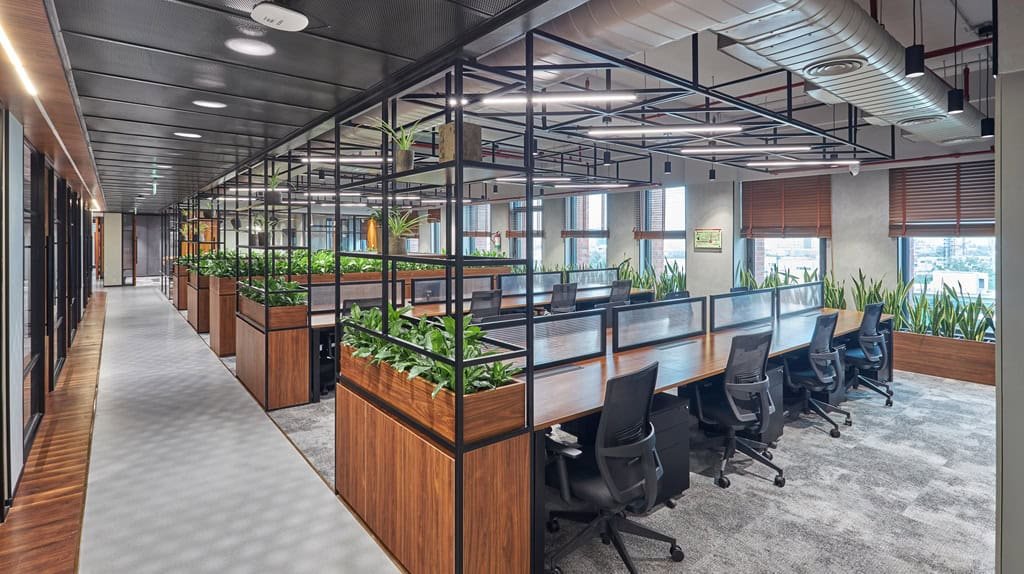
Incorporating natural elements like green walls, natural lighting, and air-purifying plants fosters well-being and productivity. AI-driven climate control systems also help maintain indoor air quality, enhancing occupant health.
- Smart & Sustainable Infrastructure
IoT-enabled systems monitor and manage energy, water, and resource consumption in real time. Smart thermostats, automated lighting, and advanced HVAC systems help buildings achieve net-zero energy goals.
Would you like insights into specific tech tools or case studies showcasing how companies have successfully integrated these innovations? Visit design arc interiors.