



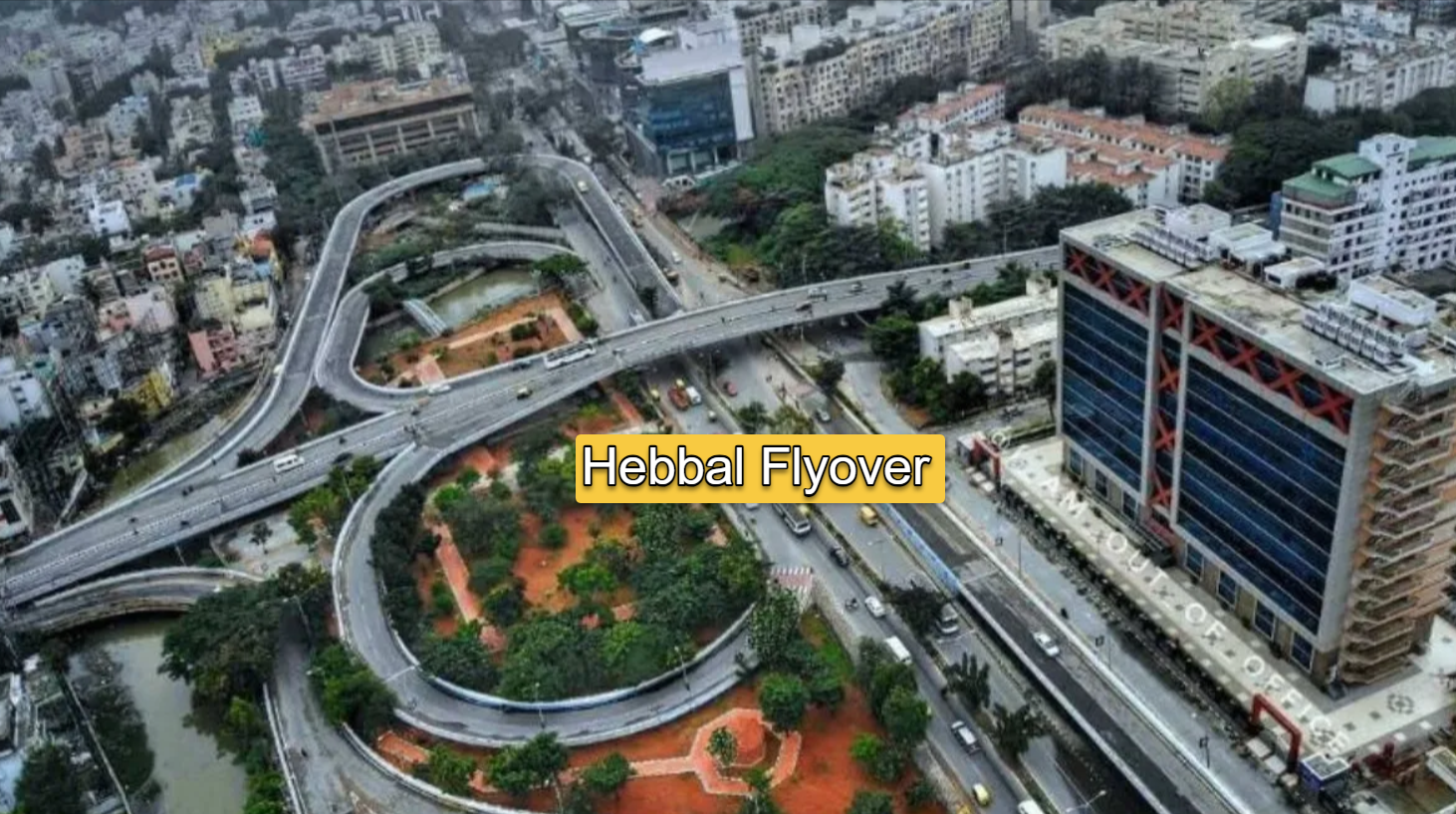
The Hebbal Flyover is one of the most important and busiest transport hubs in Bengaluru. Known for its complex design and heavy traffic flow, it serves as a key gateway connecting the city to the airport and northern regions. Whether you are a daily commuter or a visitor, understanding how this flyover works can save you time and stress.
Overview of Hebbal Flyover
Located in the northern part of Bengaluru, Hebbal Flyover is a multi-level interchange near Hebbal Lake. It connects several major roads, including:
- Bellary Road (towards the airport)
- Outer Ring Road
- Nagawara and KR Puram routes
The flyover plays a crucial role in linking the city center to the Kempegowda International Airport, making it a vital route for travelers.
Why Hebbal Flyover is So Important
Hebbal Flyover is not just another road structure—it is a lifeline for Bengaluru’s traffic system. Its importance comes from:
- Airport Connectivity: One of the main routes to the airport
- IT Corridor Access: Connects to major tech hubs
- High Traffic Volume: Used by thousands of vehicles daily
Because of this, even small disruptions here can impact traffic across the city.
Key Challenges at Hebbal Flyover
Despite its importance, the flyover is often associated with heavy congestion. Some common issues include:
1. Peak Hour Traffic
Morning and evening rush hours see extremely high traffic density, especially on routes leading to the airport.
2. Complex Design
The multi-layered structure can confuse new drivers, leading to wrong turns and delays.
3. Bottlenecks
Merging lanes and signal points near the flyover often slow down traffic movement.
Practical Driving Guidelines for Hebbal Flyover
Navigating Hebbal Flyover efficiently requires some planning and awareness. Here are practical tips:
1. Choose the Correct Lane Early
Decide your route in advance—whether you are heading toward the airport, Outer Ring Road, or city center—and stay in the correct lane to avoid last-minute confusion.
2. Avoid Peak Hours
If possible, travel during non-peak hours (late morning or early afternoon) to reduce delays.
3. Use Navigation Apps
Real-time apps like Google Maps can help you avoid congested routes and suggest faster alternatives.
4. Follow Signboards Carefully
The flyover has multiple exits and merges. Pay close attention to road signs to avoid wrong turns.
5. Maintain Safe Speed
Due to heavy traffic and frequent lane changes, it’s important to drive cautiously and maintain a safe distance from other vehicles.
Best Time to Travel
- Early Morning (before 8 AM): Least congestion
- Late Night (after 10 PM): Smooth traffic flow
- Avoid: 8–11 AM and 5–9 PM peak hours
Planning your travel time can significantly reduce delays.
Nearby Landmarks
Hebbal Flyover is surrounded by important locations such as:
- Hebbal Lake
- Esteem Mall
- Manyatha Tech Park
These landmarks contribute to the high traffic volume in the area.
Future Developments
To tackle congestion, authorities have proposed and implemented several improvements:
- Road widening projects
- Signal-free corridor plans
- Better traffic management systems
These developments aim to make commuting smoother in the coming years.
Conclusion
The Hebbal Flyover is a critical junction in Bengaluru’s road network, especially for airport travel and IT connectivity. While it can be challenging due to heavy traffic and complex design, proper planning and awareness can make your journey much easier.
By following simple driving guidelines and choosing the right travel time, you can navigate this busy flyover efficiently and avoid unnecessary delays.